A gambling business asks people to place money with a company they may know very little about. A well-presented homepage can make that decision feel easier, but the relationship soon depends on what happens inside the account.
For a new operator, trust needs to be part of the launch plan. It is important to consider how customers will understand the offer and what happens when they need help. The experience should remain consistent from the advertisement through to the cashier.
This means every promise needs a working process behind it. Clear ownership details give visitors a way to check the business, while fair account procedures support the impression created before registration.
Order the software and turnkey services for your iGaming project launch at Casino Market.
What Shapes a Player’s First Impression of a Casino
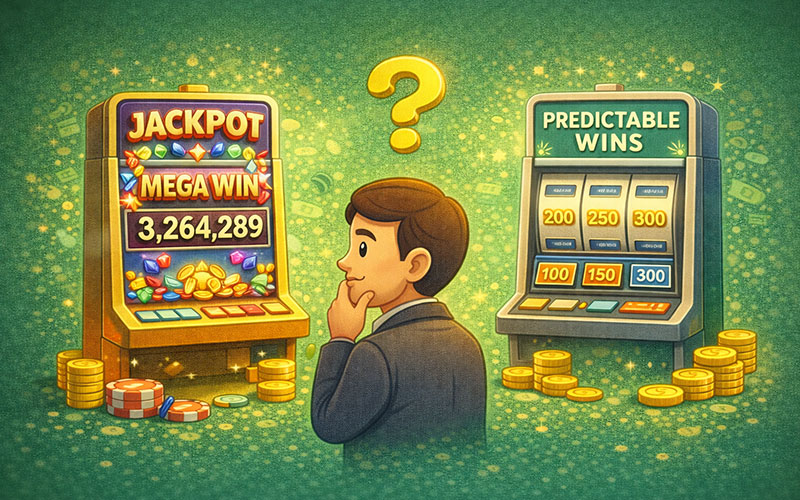
Recognition can begin well before someone opens the homepage. A sports partnership may introduce the name, while a later advertisement brings a potential customer to the site. Once there, familiar language can make the offer easier to understand.
In an Australian study published in 2018, ease of use and signs of local relevance influenced website selection among online gamblers. The sample included 1,001 participants, with relatively little concern about the location of regulation for both domestic and offshore-site users.
Those findings provide historical context for product design. They cover a broader gambling audience, so their relevance to a particular casino requires careful assessment. For a new operator, the practical point is to make everyday tasks easy for local users to understand.
Advertising provides another route to familiarity. In evidence cited in a British government consultation published in July 2026, sponsorships accounted for 13% of first encounters with unlicensed operators. Social media and advertisements on those platforms represented 22%.
These figures concern discovery, so legal status remains a separate question. A prominent logo says little about the company responsible for customer funds. That information needs its own clear place on the website.
Before a campaign goes live, an operator should consider the expectations created by its message. An offer of local assistance should be supported by service in the relevant language. If availability is limited to certain hours, the schedule should be published clearly.
This is a useful way to connect promotion with delivery. Each reason to choose the brand should have a practical basis that staff can explain.
How Players Can Verify the Business Behind a Casino

Regulatory approval may matter to a visitor who has little experience with official registers. In Sweden’s November 2024 survey, a domestic licence was the leading selection criterion, chosen by 42% of participating gamblers. Meanwhile, 72% lacked certainty about whether a company or website held the required local authorisation. This gap makes accessible explanations useful, even where awareness appears high.
Two parts of the presentation deserve particular attention:
Make the Link Between the Brand and Its Legal Entity Clear
The legal entity responsible for an account should be easy to identify. Place its details where visitors can find them and explain any difference from the public-facing name. Someone who opens the terms should understand which organisation provides the service.
British research published in 2025 illustrates the potential for confusion. Some participants incorrectly classified licensed businesses as illegal, despite the importance attached to regulatory approval. A recognisable identity needs information that allows independent confirmation.
The explanation should be short enough for an ordinary reader. A plain description of the relationship between the trading name and the operator can help visitors interpret the details correctly. The information should be reviewed whenever the underlying arrangement changes.
Give Players an Easy Route to Official Records
A badge becomes more useful when a visitor can follow it to the relevant regulator’s entry. Where possible, provide a direct link with a brief explanation of what the page confirms. The record should correspond to the organisation identified in the terms.
Internal reviews should include this route alongside the visible wording. If a company detail changes, an operator should confirm that the linked information still matches. A broad statement about regulation gives readers less to work with than a specific, verifiable connection.
This should be treated as part of routine website maintenance. Anyone responsible for account questions should also know where to direct a person who needs clarification.
What Players Should Know Before the First Deposit
The moment someone commits funds is a poor time to introduce unexpected conditions. Important details should appear early enough to support an informed choice. A clear explanation also gives the service team a consistent reference when questions arise.
The essential information to include:
- bonus eligibility and wagering conditions;
- minimum and maximum transaction amounts;
- expected processing periods;
- possible identity-document requests;
- available assistance and opening hours;
- access to safer gambling controls.
For example, a welcome offer may require a minimum qualifying amount. That condition should be displayed beside the promotion, and matching wording should be used in the cashier. Otherwise, a person can reach the final step with an incomplete understanding of the commitment.
British rules provide a specific example of early disclosure. Covered online operators should explain potential identity-document requirements before accepting funds, and customers must be verified before they gamble.
The same principle applies to instructions. Explain what a request involves and how to complete it through the proper channel. Technical labels need a plain-language explanation when the intended audience may be unfamiliar with them.
Operators should also consider how these details appear on a phone. A long document may contain the necessary information, yet the relevant paragraph can still be difficult to find. A short explanation should appear near the decision point and link directly to the full conditions.
Those summaries must be treated as part of the product. When an offer changes, an operator must update the related guidance so different screens give the same answer.
How Payments Shape Trust in an Online Casino
A cash-out request puts the customer’s expectations to the test. The outcome depends on a working process and suitable financial partners. Operators need to manage both the experience visible in the account and the arrangements that support transactions.
Set Realistic Timeframes and Give Useful Progress Updates
An estimate should make clear which stage it covers. Separate the operator’s internal review from the time needed for money to reach the destination. This avoids confusion about whether approval means the transfer is complete.
Some cases require additional information. British rules prevent operators from delaying withdrawals for details they could reasonably have requested earlier, although further legal obligations can justify a fresh request. That is why ongoing account review deserves attention before a customer asks to cash out.
When a hold occurs, the interface should explain the next step as far as the law permits. Gambling Commission guidance allows for restrictions on disclosure during certain financial-crime investigations, while otherwise expecting useful reasons for delays.
Staff should have access to the actual case status. An accepted document should lead to an updated explanation, with further instructions only where necessary. If completion remains uncertain, the customer should receive a clear point for the next update.
Use Payment Arrangements That Fit the Target Market
The cashier depends on services that operate within specific legal boundaries. Swedish rules require providers to reject card transactions authorised with merchant category code 7995, with exceptions for licensed activity or operations exempt from that requirement.
In Great Britain, reducing transfers to and from illegal operators is an objective of the government’s Illegal Gambling Taskforce. These examples show why territorial coverage belongs in commercial planning before launch.
An operator should confirm which destinations a proposed partner can serve under the intended setup. The arrangement should be reviewed again when expansion introduces another jurisdiction. Available methods should match the audience the business actually accepts.
A single transfer provides limited evidence about the wider operation. Successful delivery establishes that one request was completed, while a failure needs investigation before anyone can identify its cause.
How Operators Should Handle Problems and Complaints

A stalled request needs a practical route to resolution. Delayed payouts are among the common reasons for contact with the AskGamblers complaint service. This gives a useful view of issues raised through that platform, with its caseload kept separate from any estimate of the wider industry.
Inside the business, someone should take responsibility as soon as a problem needs further review. The next colleague should receive enough context to continue from the last completed action. Repeating the same explanation places an avoidable burden on someone already waiting for help.
An accurate response should identify the next step and when the customer can expect another update. The business should record that commitment so another member of staff can follow it. Where specialist attention is required, the handover should be clear internally.
Public exchanges need extra care because future visitors may read them. Explain the process while personal information stays within a secure channel. Broad assurances offer limited help when the actual concern remains unanswered.
After a case closes, it is essential to examine what caused the difficulty. Unclear guidance may call for better wording, while a missed escalation may require a revised workflow. The correction should match the reason for the failure.
An operator must then compare recurring themes alongside the number of people served. Raw complaint totals alone provide a weak basis for judging businesses of different sizes, especially when their outcomes vary.
Practical Checks That Help a Casino Keep Its Promises
A launch team can turn these principles into a manageable review. A useful starting point is the bottlenecks where uncertainty affects a financial decision. The team should then examine how unresolved requests move through the organisation. Each finding needs a named owner who can arrange the necessary improvement.
A practical review can include the following checks:
- Match promotion with delivery. Compare the service described in acquisition material with what becomes available after registration, then correct any gap before the campaign expands.
- Test access to essential information. Ask a colleague unfamiliar with the product to locate the applicable conditions and explain what they mean in ordinary language.
- Inspect overdue cash-outs separately. Review the longest outstanding requests alongside the usual completion time to spot stalled cases behind an acceptable average.
- Assess the result of each support exchange. Examine whether the answer resolved the concern and whether the person received accurate guidance throughout the case.
- Repeat the review after meaningful changes. A revised offer or entry into another country should trigger a fresh check of the relevant customer journey.
The evidence should also be easy to interpret. For transaction timing, an operator should define the event that starts the clock and the point that ends it. That definition should then be applied consistently so comparisons remain useful across reporting periods.
The same care belongs in service evaluation. A quick acknowledgement measures a different outcome from a completed resolution. Both can be useful, provided their meaning remains clear to the people responsible for decisions.
The team should also confirm that a correction works after release. Updated instructions may still confuse a first-time visitor, even if they seem obvious to the author. A brief review helps establish whether the original difficulty has been addressed.
The Main Things About Trust in Online Casinos
Trust depends on clear reasons to choose a business and consistent treatment once an account is active. For a new operator, this makes operational preparation part of the commercial plan. A recognisable identity creates an opportunity that everyday performance must support.
The main lessons to remember:
- Familiar advertising and an accessible website can encourage interest, while lasting credibility depends on the experience delivered after registration.
- Visible ownership details should connect the trading name with an official record that visitors can check independently.
- Essential conditions belong near the relevant decision so customers understand their commitments before they transfer money.
- Reliable withdrawals need appropriate financial partners and accurate updates whenever a request requires additional attention.
- Clear responsibility for complaints helps resolve individual problems and reveals procedures that require lasting improvement.
Use these priorities to guide the review before further investment in acquisition. A confusing process deserves attention while the team can still address its cause at a manageable scale. Regular follow-up then helps keep published promises aligned with the service available.
Order your online casino project or choose the software solution that suits your business at Casino Market.

Have questions or want to order services?
Contact our consultants:
- e-mail: manager@casino-market.com
- feedback form.
Check the information used to contact us carefully. It is necessary for your safety.
Fraudsters can use contacts that look like ours to scam customers. Therefore, we ask you to enter only the addresses that are indicated on our official website.
Be careful! Our team is not responsible for the activities of persons using similar contact details.