Modern casino products illustrate how an entire entertainment category has developed over time. NetEnt launched the original Fruit Shop on 11 November 2011. Its successor entered the catalogue on 2 July 2026. The gap between these dates covers almost fifteen years of technical progress and changing audience expectations.
These titles show how much can change within one recognisable concept. The first version centres on accessible rules and restrained presentation. Its follow-up adds visible progression and a denser event cycle. The theme and symbols remain familiar. The tone and title also preserve their connection with the earlier product.
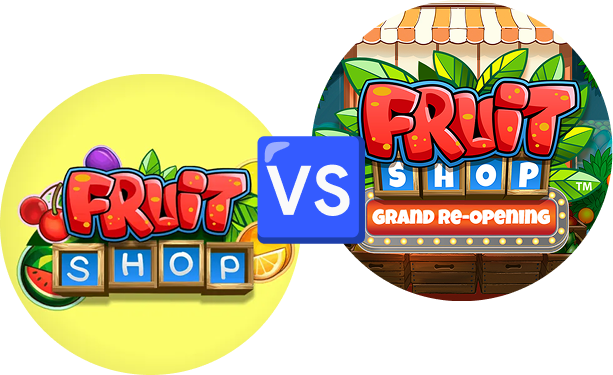
Fruit Shop 2011 vs Grand Re-Opening 2026

Over That Period, the Slot Evolved From a Relatively Simple “Spin — Result — Payout” Model Into a More Complex Product Built Around:
- progression
- re-spins
- multipliers
- additional bonus features
- dynamic visual feedback


Visual Style
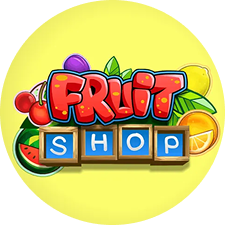
Fruit Shop — 2011
- flat 2D graphics
- simple shapes
- minimal animation
- restrained visual presentation
- functional interface
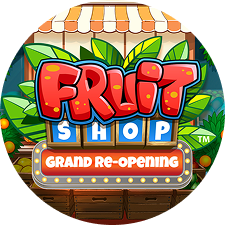
Grand Re-Opening — 2026
- detailed backgrounds
- richer color palette
- lighting effects
- cinematic big-win presentation
- animations tied to in-game events
Session Pace
2011
- each spin feels like a separate event
- noticeable pauses
- short win animations
- few simultaneous elements
2026
- higher interaction frequency
- Re-Spins
- continuous visual triggers
- progression through the Flavor Meter
- interconnected gameplay sequences
Interface Evolution
Fruit Shop
- minimalist control panel
- basic stake and payout information
- no dedicated progression indicators
Grand Re-Opening
- active bonus counters
- multiplier indicators
- highlighted key elements
- visible progression
- clearer payout and session-status information

Bonus Mechanics: 2011
The Original Fruit Shop Features:
- free spins triggered by a dedicated symbol
- doubled line wins
- 4x payouts when a Wild is involved
- winning combinations that can extend free spins
- Wild substitution
Bonus Mechanics: 2026
Fruit Shop Grand Re-Opening Adds a More Layered Structure:
- 36-step Flavor Meter
- Re-Spins
- additional multipliers
- Jumper Wilds
- extra rows
- Mystery Drop
- Fruit Bonus
- 5 Bonus Buy options
How the Bonus Model Changed
- 2011: free spins → additional wins
- 2026: progression → re-spins → multipliers → Wilds → extra rows → additional bonus events
What Stayed the Same
NetEnt Retained Several Elements Connecting the New Release to the Original:
- fruit theme
- recognizable symbols
- overall atmosphere
- established series identity


3 Major Changes in 15 Years

Visuals Became Functional
Animations now highlight events, communicate progression, and reinforce important moments
Gameplay Became More Continuous
Re-Spins and progression systems connect individual actions into a broader session
Bonuses Became Multi-Layered
Traditional free spins are now combined with multipliers, progression, additional rows, and multiple activation pathsKey Takeaways
- Fruit Shop represents the classic slot model of the early 2010s
- Grand Re-Opening reflects the modern focus on continuous engagement
- Over 15 years, the interface evolved from a control panel into a gameplay navigation system
- Bonus structures have become significantly more complex and varied
- A modern slot is no longer just a sequence of spins—it is an interconnected system of events, progression, and feedback
The redesign offers operators a clear example of how developers update established intellectual property. A known concept can gain deeper mechanics and retain its original personality. This is where the Casino Market team becomes valuable. Our specialists can help you select relevant content, particularly for your audience and operating location.
Order a turnkey or White Label platform adapted to your business at Casino Market.
Why Slot Comparison is Relevant Now
Two entries from one franchise provide a clear view of wider developments across the slot sector. An early online release could build its appeal around recognisable artwork and an uncomplicated reward cycle. Each round delivered an outcome, a short reaction followed, and the reels became ready for another action.
That approach created a predictable rhythm. Users understood the available feature quickly because the number of active elements remained limited. The game required little explanation, which made the experience accessible to customers with different levels of familiarity.
The 2026 return uses another model. Modern users receive frequent signals about active functions and upcoming rewards. Such continuity connects every successful combination with the next event. A meter may advance, a new row may appear, or another round may become available.
The two titles illustrate a broader move towards layered engagement. Simplicity remains valuable, although current products often place it inside a richer framework. For casino teams, this distinction affects lobby positioning and content selection. A classic title and its feature-heavy successor may serve different customer groups within the same catalogue.
The 2011 Slot Recipe
The original release reflects an era when online machines usually presented their rules with minimal interruption. Its structure placed the reels at the centre of the screen. Supporting elements stayed in the background until a qualifying result appeared.
A Clear Visual Language
The screen used flat 2D artwork with uncomplicated shapes. Minimal motion kept most attention on the symbols. Bright fruit icons provided instant familiarity without a story or detailed setting. Winning indicators appeared briefly and completed their purpose quickly. The interface mainly handled the stake and initiated the next round. Decorative reactions remained restrained, which created a calm presentation even when a prize landed.
That economy also made the product easy to read. A new user could identify the main controls within seconds. Experienced customers could move through rounds without additional layers of information.
A Spin-by-Spin Rhythm
Each round arrived as a self-contained event. Measured reel movement led to a clear result, followed by a short pause. Few elements competed for attention at the same moment. Prize animations ended quickly. Another action then began from a neutral state. This cadence made every outcome feel separate from the previous one.
The approach also shaped the sense of progress. Users mainly followed their balance and recent results because the screen contained no long-term indicator. Engagement grew from repeated rotations and occasional access to the special mode.
A Direct Bonus Loop
Any fruit-symbol win opened the free-spin feature. All resulting line amounts received a x2 multiplier. A Wild raised the corresponding reward to x4. Fresh wins awarded additional free spins according to the paytable. The sequence continued for as long as further successful lines appeared. This rule gave the original product an expandable feature without several separate systems.
The mechanic had one central idea. Continued success extended the special mode. Such a design was easy to understand because every new result carried an immediate consequence. NetEnt created depth through duration with the compact underlying logic.
When Graphics Became Part of the Mechanics
The 2026 edition treats presentation as a live feedback system. Details across the screen now respond to prizes and feature changes. This activity helps communicate the current state and maintain a stronger sense of movement.
Areas of development:
- Art direction gains depth. A more developed market setting surrounds the reels with detailed objects and stronger lighting. Richer shading gives the environment a fuller appearance, while the earlier title relies on flat forms.
- Motion follows reel events. Cinematic reactions mark important outcomes and create a stronger sense of impact. Successful moments receive longer treatment, which allows each trigger to feel connected with the wider feature cycle.
- Presentation carries information. Light cues identify active functions, while colour changes accompany advancement. These responses help users recognise when the product has moved into another state.
The contrast shows how appearance acquired an operational role. Artwork still establishes the mood, while animation explains what has just occurred. Each response can prepare the user for the next action.
This approach also changes the value of the first few moments. Detailed scenery communicates production quality immediately. Responsive effects then establish the pace before a customer encounters the deeper mechanics. Such elements influences how effectively a release attracts attention within a crowded lobby.
How Rhythm Changed in the New Game
Re-Spins connect a fruit-symbol win with extra rounds in the 2026 title. That continuation reduces the pause between a successful result and the following event. One outcome may therefore begin a longer chain.
The system awards one extra round for two or three cherries. Four provide two Re-Spins, while five matching icons deliver five. Other fruit symbols follow a similar scale that begins with three identical examples.
This structure keeps the play area active after qualifying wins. A user receives an immediate response and sees the next action begin. The session becomes more continuous than the measured sequence found in the earlier release.
The 36-step Flavor Meter adds another layer to this flow. Every eligible combination moves the indicator according to the number of matching symbols. After a player reaches the milestone, the game activates a multiplier or another special element.
Visible advancement creates a wider goal around individual outcomes. Even a modest result may carry extra value when it moves the indicator closer to an upgrade. The user therefore follows the current prize and the developing feature path at the same time.
Why Control Panel Became Critical
A layered feature set demands more communication from the screen. Basic buttons still manage the essential actions, while additional indicators explain what remains active. This guidance becomes crucial when several mechanics may affect the following round.
The main interface differences:
- essential stake and spin controls;
- limited status feedback;
- visible bonus counters;
- active multiplier tracking;
- highlighted special symbols;
- clear payout information.
The first two points describe the practical layout of the 2011 product. Remaining elements become more prominent in the new version because the user needs to follow a developing sequence. Counters show how many bonus rounds remain. Separate indicators display the current multiplier and advancement along the Flavor Meter. Highlighted icons reveal which symbols have gained extra value.
These additions reduce uncertainty during a complex feature. A player can see the present stage and understand why the next event carries different conditions. The screen therefore becomes an active explanation tool throughout the session.
Clarity also protects the appeal of detailed mechanics. A sophisticated system loses value when users cannot follow its logic. Strong information design allows developers to introduce additional layers and keep each outcome understandable.
How the Bonus Structure Was Rebuilt
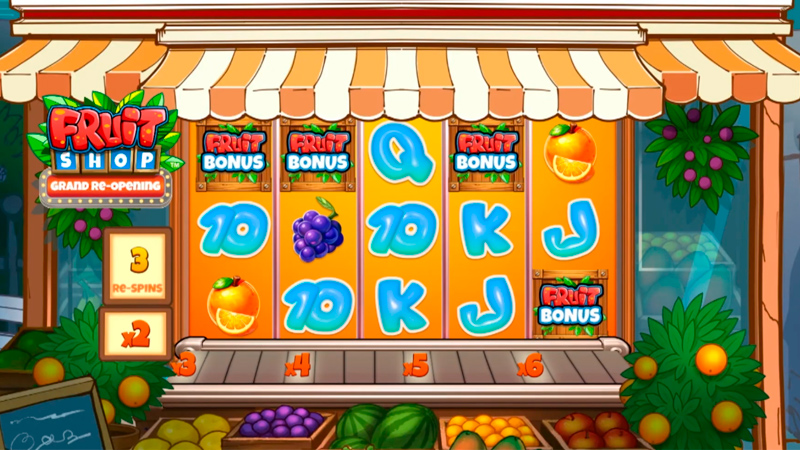
The largest shift appears inside special rounds. The earlier title uses one expandable cycle, while the new edition connects several systems. Each component can influence the duration or strength of the feature.
The Original Free-Spin Cycle
Any fruit-symbol win activated the special mode. Line rewards then received the x2 multiplier. A Wild increased the applicable amount to x4. Further successful combinations prolonged the sequence. This meant that duration depended on continued winning outcomes. The underlying design required no separate progress bar or unlock path.
Such simplicity gave the feature a strong identity. Users knew exactly what could extend the cycle. The main source of suspense came from waiting to see whether another prize would keep the free spins active.
The 36-Step Flavour Meter
Re-Spins and bonus rounds switch on a conveyor-style indicator at the bottom of the play area. Each winning combination advances it by a defined number of positions. The exact movement depends on the matched fruit symbols.
Some milestones introduce multipliers or Sticky Wilds. Others add rows or provide Mystery Drop awards. Activated Fruit can apply an x2 value to wins with a selected icon. Another upgrade transforms the low-paying ten into a cherry until the current feature ends.
The multiplier rises every four positions. Values differ between Re-Spins and Bonus Spins, which gives the latter mode a stronger progression curve. As a new multiplier is reached during the feature, it also awards one extra round. A Jumper Wild may carry five or seven jumps. Higher versions deliver ten or fifteen. When this icon contributes to a winning line, the indicator advances by the stated value.
Sticky Wilds remain in place until the feature finishes. Extra rows enlarge the available grid. Mystery Drop awards can reach x40 the stake before applicable multipliers affect them. These components create several possible developments within one bonus sequence.
Multiple Routes into Feature Play
Three Fruit Bonus icons activate five Backyard Spins on a 5x3 grid. Four Star Eight Garden Spins with a 5x4 layout. Five open ten Orchard Spins on a 5x5 configuration. The broader game area can eventually reach six rows. Its maximum number of active lines rises to 34, compared with the initial 13. These changes connect the scale of the reward mode with the number of symbols that triggered it.
NetEnt also added five paid Elevate options. Bonus Hunt costs twice the stake and guarantees at least one Fruit Bonus symbol. Fruit Win requires ten times the wager and produces a fruit-symbol combination. Backyard Spins costs 70 times the bet, while Garden Spins requires 100 times. Orchard mode has a price of 150 times the selected amount. Each choice provides a different level of access to the wider system.
This menu gives customers several entry points. Operators should still consider local restrictions because feature-buy availability can differ between jurisdictions. From a product perspective, the design demonstrates how a single release can support several routes towards its central mechanics.
What NetEnt Chose to Preserve
Fifteen years of technical development left the central creative identity intact. The new edition still belongs clearly to the same family. Familiarity comes from several retained elements.
The key points preserved:
- classic fruit setting;
- familiar symbol family;
- cheerful overall atmosphere;
- established series name.
Such consistency protects the recognition built by the first title. Returning users can identify the connection before they learn the revised rules. New customers receive an accessible theme that requires little explanation.
The strategy also shows that modernisation can work through selective change. NetEnt rebuilt the functional layer and kept the franchise visible. This balance allows an established concept to reach another audience and keep the qualities that made it memorable.
Brand continuity has commercial value for operators as well. Familiar content supports lobby discovery among returning customers. Updated mechanics serves users who expect more movement and visible progression from recent releases.
What Operators Can Learn from the Sequel
A case study across two generations offers strong guidance for content planning. The value comes when operators understand how creative continuity and technical change can work together.
Key nuances to consider in content strategy:
- Familiar identity supports a major redesign. Returning audiences recognise the theme immediately, which gives the developer room to introduce new systems. That connection reduces the amount of explanation required at the start.
- Strong presentation earns early attention. Detailed scenery establishes quality from the first view, while responsive animation adds energy after an outcome. Both elements help a release stand out inside a large catalogue.
- Visible progress links separate rounds. The Flavor Meter turns individual wins into steps within a longer path. Users receive an additional reason to follow the developing sequence.
- Greater complexity needs clear communication. Counters reveal the remaining feature length, while highlighted symbols explain active modifiers. A readable display helps customers understand how current conditions affect the next event.
- Content selection should consider session characters. The 2011 title offers a calmer cycle with direct rules. Its 2026 successor delivers denser action through Re-Spins and layered bonuses.
These lessons can guide lobby construction. Operators may use classic products to support accessibility and add newer editions for customers who prefer feature-led play. A balanced catalogue covers both preferences without the need to force one design model across every audience segment.
The comparison also shows why a sequel deserves separate evaluation. Shared artwork does not guarantee an identical user experience. Product teams should review the pace and interface before deciding where each title belongs in the lobby.
The Main Things about the Series Development
NetEnt’s two releases capture a broad transition from compact bonus loops to connected feature paths. The earlier title presents a measured cycle, while Grand Re-Opening surrounds each result with progression and responsive feedback.
The primary nuances about the 15-year comparison:
- Fruit Shop shows how clear rules and restrained presentation can support an accessible slot experience.
- Grand Re-Opening uses Re-Spins and a visible meter to connect individual outcomes with a longer progression path.
- Updated graphics communicate feature changes and give important moments greater visual impact.
- The preserved theme protects franchise recognition while redesigned mechanics address newer audience preferences.
- Operators can use both formats to serve customers who expect different pacing and levels of complexity.
Together, the two products show that an established concept remains relevant when its functional design evolves with user expectations.
Order a turnkey or White Label solution with a slot portfolio selected for your region and business strategy at Casino Market.

Have questions or want to order services?
Contact our consultants:
- e-mail: manager@casino-market.com
- feedback form.
Check the information used to contact us carefully. It is necessary for your safety.
Fraudsters can use contacts that look like ours to scam customers. Therefore, we ask you to enter only the addresses that are indicated on our official website.
Be careful! Our team is not responsible for the activities of persons using similar contact details.