The simplicity of some gambling content may be its main advantage. In tap games, players trigger a single command that starts a conventional round. While they wait for the outcome, repeated screen contact turns that pause into a sequence of small decisions. Each press may produce a prize or advance a meter.
After years of experiments, this category has grown beyond a single experimental release. Onlyplay and Evoplay built early interpretations. BGaming later applied the core gesture differently, as did InOut Games. Their titles create new questions for an operator, especially around session pace and cost visibility.
Casino Market experts explain the wagering cycle of tap games and compare four notable releases in the category. Order our turnkey or White Label solutions to build a gambling project with a content mix selected for your audience and target jurisdiction.
How the Clicker Habit Entered iGaming

Instant Content Built Around Active Interaction

Common Controls Include:
- tapping active objects
- holding interface elements
- revealing cards or progress elements
- controlling objects in real time
Where the Format Came From

Interest Accelerated Significantly in 2024, Driven by:
- Hamster Kombat
- other TON-based projects
An Early iGaming Example
Its Core Loop:
- the player hits a piggy bank
- every tap affects the round
- each action brings the user closer to a reward
- continuing also increases the risk of losing the stake


Core Tap Game Features

Most Products in the Category Feature:
- tap or hold controls
- short rounds
- continuous player participation
- mobile arcade-style mechanics
- progress bars
- multipliers
- bonus events
How the Game Loop Works
Once Launched, the Random Outcome May Include:
- a prize
- a multiplier
- a loss
Some Games Also Introduce:
- energy systems
- in-game banks
- attempt counters
- additional bonus rounds
RTP and Betting Intensity
However, Short Rounds Increase Action Frequency:
- players place more bets
- sessions move faster
- bankroll can be consumed more quickly than in slots with similar RTP
Notable Tap Games

Piggy Tap — Onlyplay
- classic tap mechanics
- “tap — reaction — result” structure
- one of the early flagship releases in the category

Balloon Mania — BGaming
- sequential tapping
- changing probability of success
- players decide whether to continue before each action

Tap Craze — Evoplay
- progression meter
- every tap increases the capybara’s happiness level
- filling the meter activates a multiplier wheel

Hamster Run — InOut Games
- tap mechanics
- crash elements
- bonus wheel
- mini-slot
- energy accumulation system
How the Genre Is Evolving
Developers Increasingly Add:
- multipliers
- progression systems
- bonus rounds
- crash mechanics
- mini-slots
- reward wheels


Why Operators Are Interested

Fast-Paced Gameplay
Short rounds create continuous interaction
Active Participation
Players do more than wait for an outcome—they interact throughout the round
Hybrid Potential
Tap mechanics can be combined with other high-demand formats
Portfolio Expansion
The category can work as a standalone vertical or complement slots and other instant gamesKey Takeaways
- Tap Games evolved from mobile clicker mechanics
- Their defining feature is direct interaction with the screen
- Typical RTP levels are around 95–97%
- Short rounds create a high frequency of player actions
- The category is evolving toward hybrid products combining tap, crash, slot, and bonus mechanics
- For operators, Tap Games provide another way to diversify the portfolio and offer more dynamic content
Frequent screen pressing became familiar through mobile entertainment long before real-money studios adopted it. Early clickers reduced progress to one accessible gesture. A player could earn resources with an object touch, then use them to unlock upgrades. The rules took seconds to understand, which suited short visits on a smartphone.
Telegram projects returned this interaction to public view in early 2024. Hamster Kombat appeared in March, then reached a developer-reported total of more than 300 million sign-ups (131 million accounts qualified for token distribution). That scale showed how quickly a familiar command could attract a large audience.
Casino suppliers saw a useful behavioural pattern in that success. Customers understood that repeated touches could fill a bar or reveal a reward, so a real-money version required little explanation.
Onlyplay had already introduced Piggy Tap in September 2023 with 96.98% RTP and medium volatility. Later entries added selectable targets or progress-led bonuses. Similar titles now form part of instant casino content. Constant physical involvement defines it, although presentation varies across releases.
What Active Input Changes
The clearest difference appears in the role given to the customer during a round. A slot spin begins with a command, after which the reels complete the result. Here, the central gesture continues across the sequence and keeps attention fixed on the object.
That extra involvement does not turn chance into skill. A certified random system still determines paid outcomes. The interface changes how the process feels because each action receives an immediate response.
Traits that define this design approach:
- Direct control stays on the screen. The user presses an object or holds a control to move the sequence forward.
- Each cycle remains brief. A result often appears within seconds, which supports quick mobile visits.
- Feedback follows every action. Animation or sound confirms the latest input and maintains a steady rhythm.
- Familiar mobile cues reduce the learning curve. Meters or unlockable rewards explain progress through visual signals.
- Extra layers extend the basic loop. A bonus feature or multiplier can give repeated contact a longer purpose.
These qualities place the format between casual mobile design and instant wagering. Behind the light presentation lies an economic model comparable to other RNG products, so clear rules are essential from the first paid action.
What Role Money Plays inside a Tap Session
Behind the colourful design, there is a recurring financial cycle. The exact rules differ by release, but every product must explain when funds leave the balance and how a return is calculated.
Fast feedback can make the sequence appear lighter than a conventional spin. The economic effect still depends on stake size and action frequency. Operators should understand the full flow before they decide to place a title in the lobby.
A classic paid cycle:
- The customer selects a stake. This amount defines the next eligible action within the available limits.
- A press requests a random draw. The outcome may return a prize, while some designs reveal a multiplier.
- Visual feedback appears immediately. Movement or damage keeps the cause and result easy to follow.
- A meter can advance toward an event. Reaching a threshold may open a wheel or separate bonus scene.
- The process begins again with the next paid command. Every eligible press may carry its own wager, which must remain obvious before another attempt starts.
The last stage has major commercial importance. A customer who makes ten paid inputs in a short period can wager more money than somebody who completes one slower round at the same nominal stake. Session cost therefore depends on speed as well as the theoretical return.
Progress systems add another consideration. A partly filled gauge can encourage continued play because the next feature appears close. Its function should stay accurate and avoid implying a guaranteed prize. Responsible presentation helps the operator maintain trust.
Which Product Formats Can be Considered Role Models
Studios now use the same gesture for several distinct design purposes. Some releases keep the structure very lean, while others connect each command to a wider feature map.
The Minimal Risk Loop
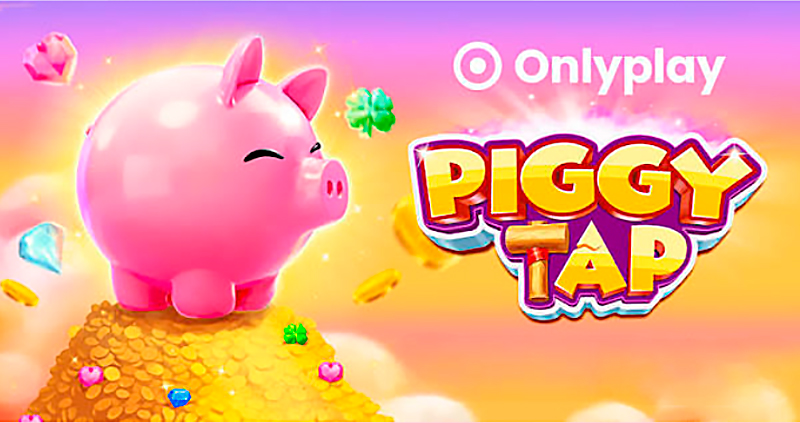
Onlyplay built its early release around a virtual bank that reacts to every tap. The central object makes the task clear within moments. Each attempt moves the sequence toward either a reward or a lost stake.
Piggy Tap has medium volatility and a 96.98% RTP. The release also supports instant-win and multiplayer functionality. Its main contribution is structural clarity. Repetition creates tension because another tap may improve the position or close the cycle.
This approach suits a lobby that needs an accessible introduction to the category. Cost information must remain close to the control, since a clean interface makes every label more prominent.
Progress as the Main Goal
Evoplay gives the customer a clear objective through its Happiness Scale. Each action raises the capybara's mood until the meter activates a Wheel of Fortune with a multiplier of up to x500.
Evoplay released Tap Craze in November 2024. Its RTP is 96.24%. Costumes vary the presentation, while the growing gauge connects separate attempts. This model uses accumulation to build session continuity. Small movements create a sense of advancement, and the resulting Wheel of Fortune gives the cycle a clear peak.
For an operator, the product bridges a basic instant title and a feature-driven casual game. Lobby artwork can highlight the character, while the description explains how the scale works.
Choice between Visible Targets
BGaming places floating objects on the screen and attaches a potential return to each option. The customer chooses a balloon after reviewing its chance of success, while a click counter tracks the sequence.
The supplier released the title on May 27, 2025. Balloon Mania has low volatility and a 97% RTP. Multipliers range from x1.1 to x64, with manual or automatic selection available. This structure adds a decision before the random event. A higher displayed reward can carry a lower probability, although chance still governs the result.
The format can attract customers who enjoy comparing clear options. Accurate probability labels are fundamental to that appeal, especially on a small device.
Tapping inside a Hybrid System
InOut Games surrounds the central gesture with several connected layers. The title pairs a crash-style sequence with an energy system. A bonus wheel and free-spins feature add separate moments.
Hamster Run carries a 97% RTP. That percentage sits close to the other examples, though the structure is more complex. Energy creates a continuing objective, while extra scenes interrupt the main rhythm. This model indicates the likely direction of future development. The simple command acts as an entry, and additional systems create variety after the first few attempts.
An operator may use such a product to serve customers who want more depth from instant content. Placement should reflect that expanded scope, and a short explainer can distinguish it from a basic release.
Why Similar RTP Can Still Create a Faster Experience
The RTP percentages are all very close to each other. These values appear close on paper, yet they reveal little about the cost of a short visit. RTP describes the average share of stakes returned across a large number of plays. A single customer visit can differ greatly from that long-term figure. Volatility also affects how wins are distributed, which changes how an individual player's balance moves during a session.
Action frequency adds another variable. A title that accepts many paid commands per minute can generate higher turnover than a slower game with the same stake. This difference may be easy to overlook because each interaction seems minor.
For example, one paid input costs $1, so 30 eligible presses create $30 in total wagers. The published return percentage still describes a long-run mathematical average under the tested rules. Operators should monitor actual behaviour after launch. Average session spend and actions per visit can show whether stronger limit prompts are needed.
What Operators Should Check Before Integration

A new category deserves its own commercial review before lobby placement. Certification and technical compatibility remain necessary, but presentation can determine whether customers understand the product correctly. Testing should cover the smallest supported screen because the central object often competes with balance information. The review must also reflect local responsible-gambling rules.
Key aspects of the assessment:
- Cost of paid action. The stake and balance change should remain visible near the main control. Customers need to understand when a new wager begins.
- Title placement in the lobby. Instant games or arcade-style content may provide a suitable category. A short label can prevent confusion with free casual entertainment.
- Core rules upon the first visit. A concise tutorial or demo can show how the object reacts. It should also clarify what unlocks any extra feature.
- Variety with a wider portfolio. Several near-identical releases can make the section feel repetitive. A balanced selection can combine a lean risk loop with a deeper hybrid title.
- Obvious responsible controls. Deposit limits and reality checks should remain accessible throughout the experience. Rapid interaction increases the value of timely reminders.
Commercial tracking can begin with a limited launch. Early data may reveal completion rates or wording that creates confusion. Supplier due diligence still matters. The operator should verify certification for the target jurisdiction and confirm the approved version. Any change to stake settings or autoplay needs a local review.
Why Hybrid Mechanics Will Shape the Next Phase
The category has already attracted several studios, although it remains part of the instant vertical. No release currently carries the broad recognition achieved by leading slots or crash titles. Continued growth will depend on stronger reasons to stay after the first few presses.
Connected features offer one route forward. A progress meter can stretch the objective across multiple attempts. A separate bonus can then add variation while keeping the format accessible.
Personalisation may also become more important. Characters or selectable objects can give a basic command a distinct identity. Social competition could add another layer where regulation permits it.
The strongest concepts will preserve clarity as depth increases. Every addition should explain itself through the interface and support the central flow. A crowded rule set would remove the quality that made the format easy to adopt.
Suppliers have room to experiment with themes and progression. Operators gain a compact category that can refresh an instant lobby. Careful selection will decide whether those releases add real variety.
The Main Things about Tap Games
A mobile interaction has grown into a recognisable real-money format. Thanks to immediate feedback, players face a short learning curve and can move quickly into consecutive sessions.
The key findings about the tap format:
- Mobile clickers supplied the familiar interaction that allowed real-money versions to require very little explanation.
- Piggy Tap established an early casino interpretation in 2023 and helped the category gain a clearer identity.
- Rapid paid actions can move the balance quickly, so cost visibility deserves close attention.
- Progress indicators give brief cycles a longer objective and support more varied sessions.
- Hybrid releases connect the central gesture with extra features, which gives future products more room to stand apart.
Tap titles are best treated as an evolving branch of instant content. Their shared command is simple, while product structure can range from one reactive object to a multi-stage system. This flexibility offers operators another way to serve mobile-first audiences.
Order a turnkey or White Label platform at Casino Market with technology and content adapted to your business goals.

Have questions or want to order services?
Contact our consultants:
- e-mail: manager@casino-market.com
- feedback form.
Check the information used to contact us carefully. It is necessary for your safety.
Fraudsters can use contacts that look like ours to scam customers. Therefore, we ask you to enter only the addresses that are indicated on our official website.
Be careful! Our team is not responsible for the activities of persons using similar contact details.